As a game analyst, I devote my time pulling apart online slots to understand what makes them tick. After reviewing player data collected across the UK for *Rise of Olympus 100*, I discovered a compelling story. This isn’t just another 100-payline slot with a Greek myth skin. The collective experience from forums, streams, and stats teaches real lessons about navigating volatility, activating features, and the psychology of your bankroll. Luck plays its part, but the game has a logic. Understanding it is important as much as trusting Zeus is on your side. What follows is a analysis of what players have collectively learned.
Exploring the Free Spin and Coin Gathering
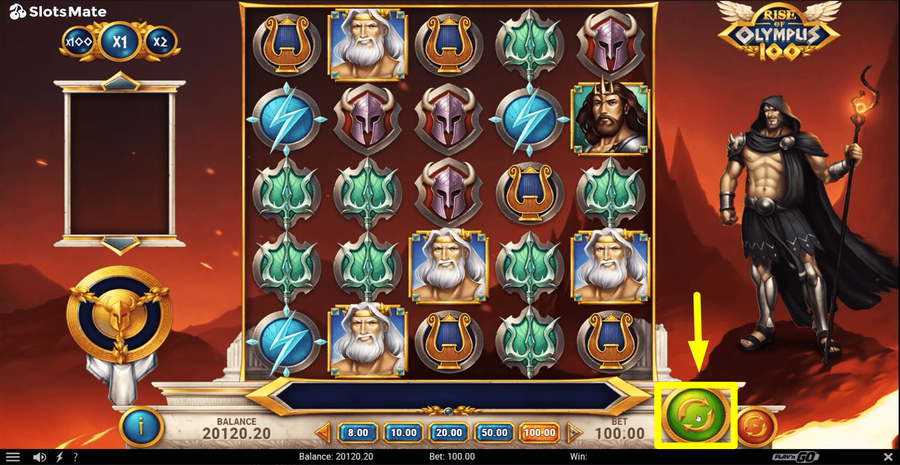
The Free Round is the key attraction, activated by filling the charge meter with falling symbols, https://riseofolympus-100.com/. Players noticed a clever aspect: your charge level saves between rounds if you avoid starting the feature. This approach fosters compact, regular rounds over constant playing. During the Free Round, the token gathering has its separate system. The coin values are not placed randomly. Higher-value coins tend to group together or lie by the borders of a new layout. Winning here hinges on a moment of observation. Gamers who take a second to scan the full layout before tapping tend to gather greater rewards. It shifts the approach from passive spinning to active, calculated action. This echoes the gameplay nuance the whole game is based around.
- Meter Strategy:
- Grid Analysis:
- God Choice:
Prolonged Sessions vs. Session-Based Objectives
The big picture lesson from UK players is this: approach *Rise of Olympus 100* like a extended endeavor, not a collection of individual rounds. The design encourages consistency, with its retained meter advancement and volatile returns. Establishing small goals for each session helps. Try to trigger the Hand of God feature twice, or increase the Wrath multiplier to 5x. This creates a structure for success that doesn’t depend on landing a jackpot. It changes the question from “Did I win big?” to “Did I play my strategy well?” Players who take on this view are inclined to appreciate the game more and maintain their bankrolls healthier. They derive satisfaction in learning the game’s layers. The huge wins become a wonderful bonus on top of a skillfully played game, not the sole reason to play.
Approaches for the Wrath of Olympus Multiplier
This is when strategy gets real. The Wrath of Olympus multiplier increases with each victorious chain in the base game. Players who posted their biggest wins often followed a similar method. They realized that pushing the multiplier to its peak would burn through cash. The smarter play has two elements. First, employ smaller cascade chains to build the multiplier to a reasonable level. Second, recognize when to pursue more. If the grid is packed with matching god symbols, that’s your signal to pursue longer chains more intensely. Your bet size needs discipline. Think of the multiplier as a mechanism, not a trophy. Its purpose is to amplify a cascade that’s already taking place naturally.
- Phase 1 – Setup:
- Phase 2 – Seizing:
- Key Discipline:
The Emotional Influence of Sight and Sound Design
The game’s display does more than set the mood. Users indicate that the grand score, the gods’ powerful voices, and the flashy animations for wins directly affect how they experience things. In my own session reviews, I noticed it as well. A streak of small losses appears less harsh when each one finishes with the minor spectacle of a cascade. On the other hand, the rising music and shining meter can increase your adrenaline, tempting you to wager more than intended. The key takeaway is about personal awareness. Appreciate the spectacle, but don’t let it decide for you. Your wager amount and cutoff limits should originate from your strategy, not the orchestral crescendo.
Money Management for High-Risk Play
If there’s one piece of advice every experienced UK player echoes, it’s this: control your bankroll. The data supports it completely. *Rise of Olympus 100* is a volatile slot. Its stated Return to Player (RTP) unfolds over a long time, through bonuses that are rare but large. Comparing sessions where players ran out fast to those who endured and triggered the Free Round shows the difference wasn’t luck alone. It was bet size. To experience this game as meant, you need a bankroll that can withstand 200 to 300 spins without a major feature hit. That means wagering much tinier units than you would on a less volatile game. The lesson is simple math. You must have sufficient funds to attain the game’s high peaks.
Understanding the Core 100-Payline System
Shifting from the original game to this 100-payline version changed more than just the count on screen. Data from UK players shows a real difference in how often wins land and what they resemble. With 100 fixed lines, you see winning combinations more frequently. These wins tend to be smaller, which creates a steadier tempo between the game’s explosive bonus features. Players accustomed to long dry spells on high-variance slots often report this maintains them more involved. Those frequent, smaller payouts give a impression of momentum. The conclusion is clear: a high payline count can reduce the blow of volatility. It converts a brutal climb into a more structured one, where the next big feature always appears within reach.
Analyzing the Hand of God Feature Mechanics
The Hand of God element, where a random god appears to change the reels, is key to the game. Based on shared gameplay, its trigger isn’t completely random in its *effect*. While it can trigger on any non-winning spin, which god shows up—Poseidon, Hades, or Zeus—seems to adhere to a kind of rhythm. Early in a session, Poseidon’s symbol transformations pop up more often, laying the foundation. As the charge meter increases, you’ll see more of Hades eliminating symbols or Zeus dropping wilds. This is a trend, not a rule. The insight here is about patience. The feature operates as a nudge, shifting the game state along. It’s not a jackpot in itself.